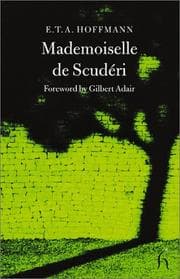
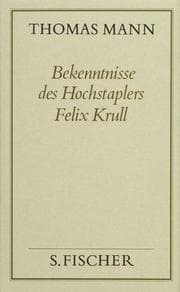
Best Books in Germany
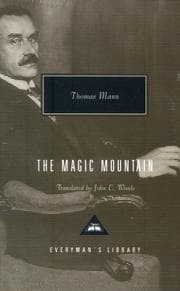
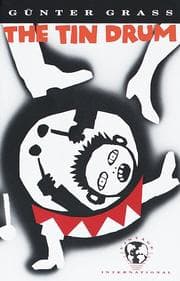
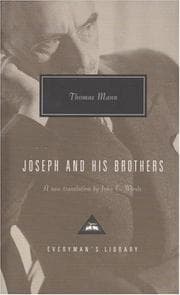
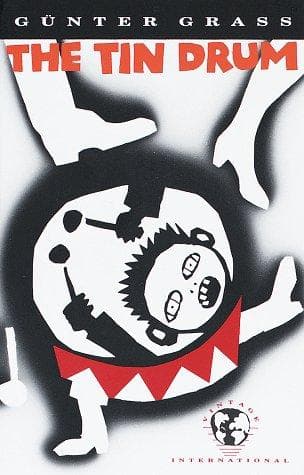
German literature carries one of the most dramatic trajectories in world culture: from the classical humanism of Goethe and Schiller through the romantic darkness of Kleist and Büchner, the satirical genius of Heinrich Heine, and into the catastrophe and moral reckoning of the 20th century. Thomas Mann, Bertolt Brecht, Günter Grass, and W.G. Sebald all bear witness to history's weight, while Herta Müller's Nobel-winning work gives voice to the totalitarian experience from the inside. Post-reunification German fiction — from Jenny Erpenbeck to Sasha Marianna Salzmann — grapples with memory, identity, and Europe's contested past.
Why Read Germany Literature?
To read the great books of Germany is to enter a conversation that has been going on for generations — between writers and their society, between the country and the world, between the past and the present. The works ranked here represent the best of that conversation as recognised by international critical consensus.
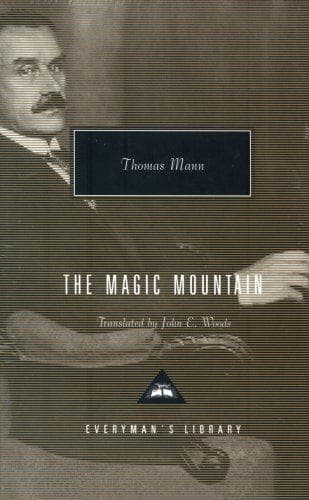
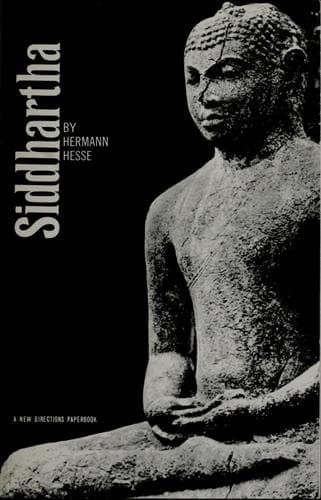
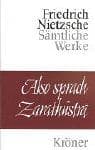
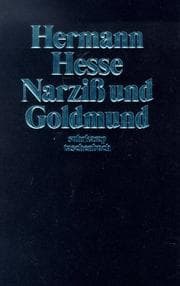
The Top 10 Books from Germany
Ranked by aggregate editorial consensus score

Our ranked list of books from Germany is built on an aggregate editorial score that draws on Nobel Prize recognitions, Booker Prize shortlists, Pulitzer Prize winners, and 40+ other major literary awards and critical surveys. Each book's score reflects the breadth and weight of its editorial recognition — a book that wins the Nobel Prize scores differently from one that appears on a single regional list.
Use the category and prize filters to narrow your reading list, or browse the full ranking to discover titles you might not have encountered before. Every book on this list has earned its place through documented critical recognition, not popularity metrics or reader reviews.