Best Books from Argentina
Argentina has produced a disproportionate share of the 20th century's most important literature. Jorge Luis Borges reinvented the short story form and made metaphysics as thrilling as detective fiction; Julio Cortázar took surrealism into everyday Buenos Aires life; Ernesto Sabato interrogated violence and memory with unsparing darkness. The Buenos Aires literary scene, centred on the cafés of the Microcentro and Palermo, produced a generation of writers who transformed Latin American fiction and influenced writers from Pynchon to Calvino. Contemporary Argentine writers — Ricardo Piglia, César Aira, Samanta Schweblin — continue that restless experimental tradition.
Top 10 from Argentina
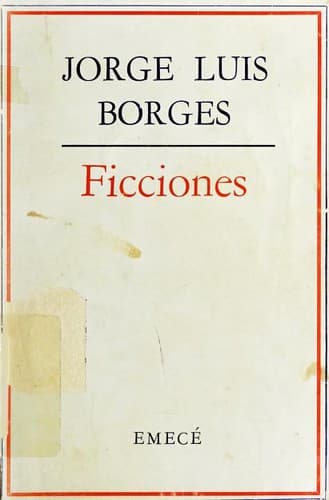
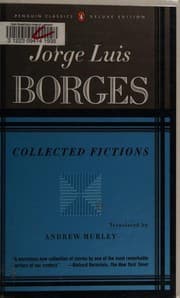
Ficciones
Borges's landmark collection of labyrinthine tales includes 'The Garden of Forking Paths,' 'Pierre Menard, Author of the Quixote,' and 'The Library of Babel.' Each story is a philosophical puzzle that dissolves the boundaries between reality, dream, and text. These fictions influenced virtually every major writer who came after, making Borges one of the most consequential figures in twentieth-century literature.
Historia de la eternidad
Historia de la eternidad by Jorge Luis Borges (1936) is a notable work of philosophy from Argentina.
Ficciones
Ficciones by Jorge Luis Borges (1945) is a notable work of short stories from Argentina.
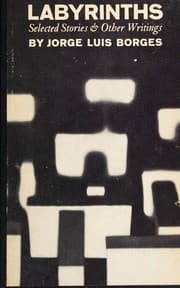
Labyrinths
Labyrinths by Jorge Luis Borges (1962) is a notable work of religion spirituality from Argentina.

El Aleph
A celebrated work of literary fiction, El Aleph by Jorge Luis Borges (1949) offers an unflinching examination of the human condition.

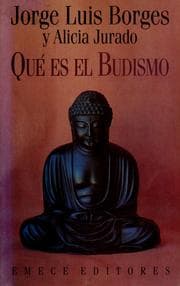
Qué es el budismo
Qué es el budismo by Jorge Luis Borges (1976) is a notable work of religion spirituality from Argentina.
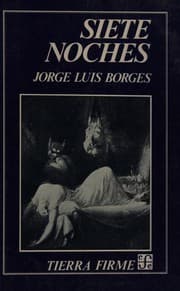
Siete noches
Siete noches by Jorge Luis Borges (1980) is a notable work of short stories from Argentina.

Los mejores cuentos policiales
Published in 1947, Los mejores cuentos policiales by Jorge Luis Borges is a gripping work of mystery and suspense that keeps readers guessing until the final page.
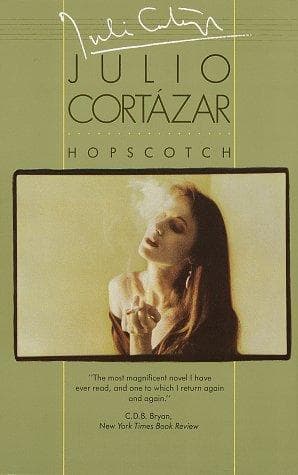
Hopscotch
Hopscotch is a groundbreaking novel by Julio Cortázar that challenges traditional narrative structures. The book can be read in multiple sequences, offering a unique and interactive experience. It explores themes of existentialism, love, and the search for meaning, making it a seminal work in the Latin American Boom and a cornerstone of modernist literature.
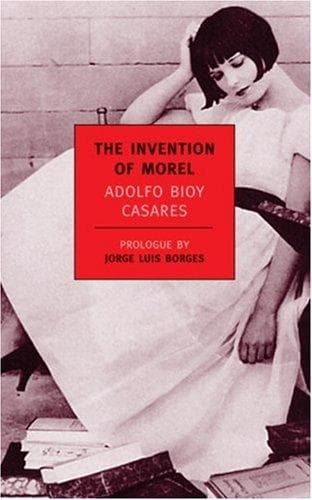
The Invention of Morel
The Invention of Morel is a science fiction novel that explores themes of reality, perception, and immortality. The story follows a fugitive who discovers a mysterious island inhabited by people who seem to be caught in a time loop. The novel is highly regarded for its innovative narrative and philosophical depth, influencing many later works in the genre.