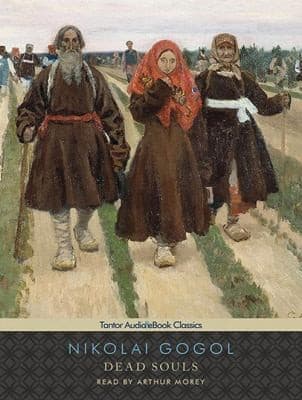
Best Books from Russia
Russia's literary tradition is one of the great monuments of world culture. In the 19th century alone, it produced Tolstoy, Dostoyevsky, Turgenev, Chekhov, and Gogol — a concentration of genius that has never been equalled anywhere. These writers took the novel to the outer limits of moral philosophy, psychological depth, and spiritual questioning. The Soviet period suppressed many voices but also forged Bulgakov's surreal resistance, Pasternak's private lyricism, and Solzhenitsyn's ferocious testimony. Contemporary Russian literature, wherever it finds its home, still operates in the long shadow of that extraordinary century.
Top 10 from Russia
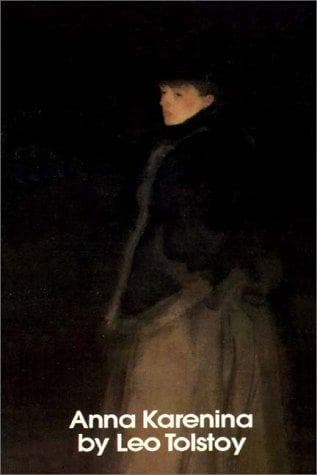
Anna Karenina
Tolstoy's epic masterpiece weaves together the tragic story of the aristocratic Anna, who abandons her husband for the dashing officer Vronsky, with the pastoral happiness of Levin and Kitty. Widely regarded as the greatest novel ever written, it is a profound study of love, society, hypocrisy, and spiritual longing. Its first sentence—'All happy families are alike...'—is among the most famous in literature.
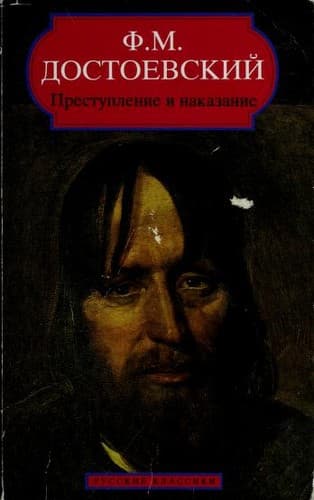
Crime and Punishment
A destitute St. Petersburg student murders a pawnbroker, convinced he is a superior man above conventional morality. As guilt and paranoia overwhelm him, Raskolnikov is pursued by a brilliant detective who suspects the truth. Dostoevsky's psychological thriller is among the most gripping and morally serious novels in world literature.
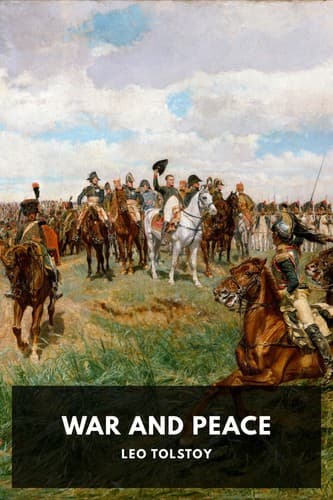
War and Peace
Tolstoy's colossal novel follows five aristocratic families through Napoleon's invasion of Russia, interweaving the intimate details of private life with the sweep of history. The novel's philosophical passages challenge the great-man theory of history in favour of vast impersonal forces. It is universally regarded as one of the supreme achievements of world literature.
The Brothers Karamazov
Dostoevsky's final and greatest novel follows three brothers—the passionate Dmitri, the intellectual Ivan, and the saintly Alyosha—as they are drawn into their father's murder and a profound debate about God, morality, and free will. Freud called it 'the most magnificent novel ever written.' It is the culmination of Dostoevsky's life's work and a foundational text of Western literature.
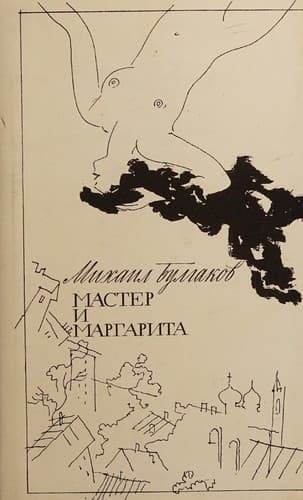
The Master and Margarita
The Devil visits Soviet Moscow with his retinue of supernatural helpers, causing chaos and exposing the hypocrisy of the Soviet system. Intercut with a parallel narrative about Pontius Pilate and Jesus, Bulgakov's satirical masterpiece was suppressed during his lifetime and only published posthumously. It is now regarded as one of the greatest Russian novels of the twentieth century.

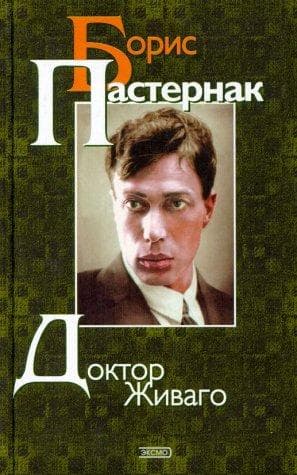
Doctor Zhivago
A Russian physician and poet witnesses the Bolshevik Revolution and its aftermath while caught in a doomed love affair with the mysterious Lara. Pasternak was awarded the Nobel Prize but forced to refuse it by Soviet authorities. The novel, smuggled out of the USSR and published in Italy, became a Cold War cultural landmark and one of the great Russian novels.
The Gulag Archipelago
This monumental work is a detailed and harrowing account of the Soviet Union's forced labor camp system, known as the Gulag. Solzhenitsyn draws from his own experiences and those of other prisoners to expose the brutal realities of the camps. The book played a crucial role in raising global awareness about the human rights abuses in the Soviet Union and remains a seminal work on political repression.
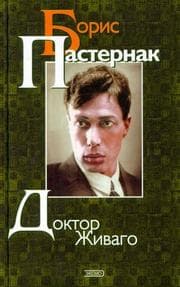
Доктор Живаго
Published in 1957, Доктор Живаго by Boris Leonidovich Pasternak is a landmark work of literary fiction that explores the complexities of human experience with depth and nuance.
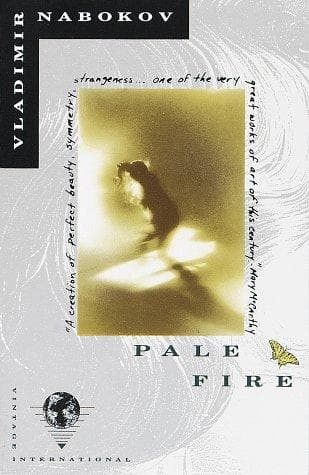
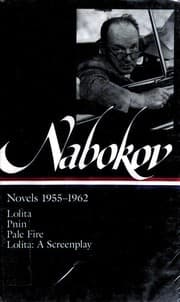
Pale Fire
A 999-line poem by the fictional American poet John Shade is accompanied by an increasingly deranged commentary by the poet's neighbour, an exiled academic named Kinbote. Nabokov's formal masterpiece is simultaneously a brilliant poem, a comic novel, and a meditation on the relationship between creation and criticism.
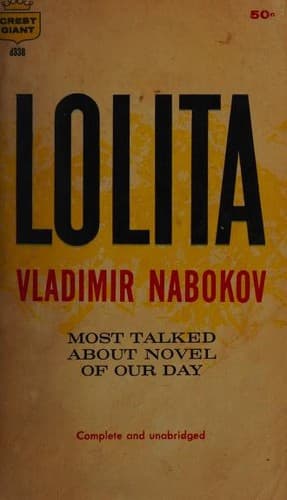
Lolita
Humbert Humbert, a European intellectual, narrates his obsession with twelve-year-old Dolores Haze—Lolita—in prose of extraordinary beauty and moral complexity. Nabokov's controversial masterpiece is simultaneously a love letter to the English language and a profound study in self-deception and the destruction of innocence.

%3C%2Ftext%3E%0A%3C%2Fsvg%3E)