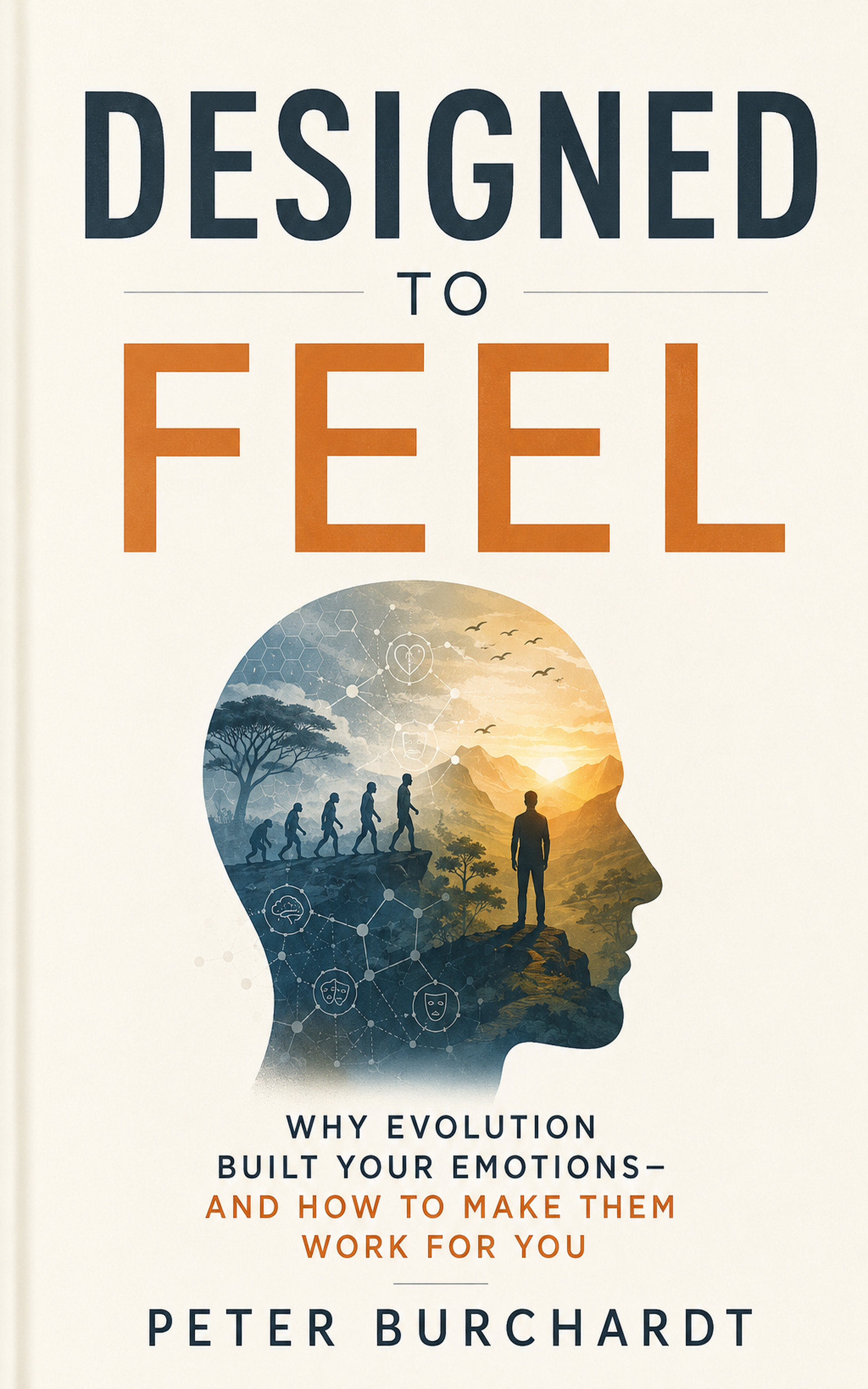
Non-Fiction That Rewires Your Brain
The best nonfiction does not merely inform you; it changes the way you see the world. It replaces comfortable assumptions with better ones, introduces frameworks that make complex reality legible, and demonstrates that the real world is stranger, more interesting, and more morally complicated than any fiction could invent.
This list draws from our editorial consensus scoring across 40+ critical sources. Every title below has been independently recognised by multiple prize juries, critic surveys, and cultural institutions as a work of lasting significance.
Essential Nonfiction: The Top 15
1. Sapiens: A Brief History of Humankind — Yuval Noah Harari
The book that made grand-scale history accessible to a generation of readers. Harari traces human civilisation from the cognitive revolution 70,000 years ago to the present, arguing that our species' unique ability to create shared fictions — money, religion, nations — is what made us dominant. Provocative, readable, and endlessly quotable.
2. Thinking, Fast and Slow — Daniel Kahneman
The Nobel Prize-winning psychologist's magnum opus distils decades of research into a single framework: System 1 (fast, intuitive, error-prone) and System 2 (slow, deliberate, effortful). After reading this book, you will never think about your own thinking the same way. It is the most important popular psychology book of the twenty-first century.
3. Man's Search for Meaning — Viktor Frankl
A 160-page account of survival in Nazi concentration camps and the psychological framework — logotherapy — that Frankl developed from that experience. The core insight — that meaning, not happiness, is the fundamental human need — has transformed millions of lives since the book's publication in 1946.
4. The Diary of a Young Girl — Anne Frank
The most widely read document of the Holocaust, Frank's diary is remarkable not only for its historical significance but for the quality of its observation. Anne Frank's voice — funny, self-aware, intellectually curious, achingly alive — makes the horror of what happened to her almost unbearable.
5. A Brief History of Time — Stephen Hawking
The book that made cosmology accessible. Hawking's account of black holes, the Big Bang, and the nature of time sold 25 million copies and proved that the deepest questions in physics could be explained to general readers without condescension.
6–15: The Essential Canon
The remaining top 15 includes Educated (Tara Westover), The Power of Habit (Charles Duhigg), In Cold Blood (Truman Capote), Silent Spring (Rachel Carson), The Immortal Life of Henrietta Lacks (Rebecca Skloot), I Know Why the Caged Bird Sings (Maya Angelou), Born a Crime (Trevor Noah), The Fire Next Time (James Baldwin), Guns, Germs, and Steel (Jared Diamond), and When Breath Becomes Air (Paul Kalanithi).
Nonfiction by Category
Our database ranks nonfiction across multiple categories. Explore:
- Biography & Memoir — the literature of real lives
- History — narrative accounts of the past
- Science & Nature — the natural world explained
- Philosophy — fundamental questions about existence
- Psychology — the mysteries of the human mind
- Politics & Society — power, inequality, and social change
Where to Start
If you have never read nonfiction for pleasure, start with Sapiens or Born a Crime — both are page-turners that happen to be profound. For something shorter and more intense, Man's Search for Meaning can be read in a single sitting and will stay with you for years.