Science Fiction· United States
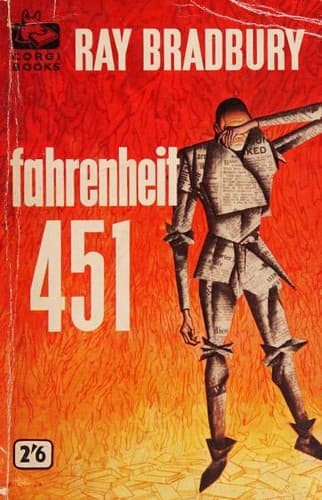
Fahrenheit 451
by Ray BradburyAggregate Editorial Score40/100
TIME 100 Best Novels
Published 1953189 pagesEnglish
Buy on Amazon → About This Book
When Ray Bradbury published Fahrenheit 451 in 1953, it quickly found its place in the broader tradition of science fiction. In a future America, fireman Guy Montag burns books rather than fighting fires, until a chance encounter starts him questioning everything. Bradbury's novella is a passionate defence of books, imagination, and the human need for story. Themes of censorship, books, conformity run through the work. The book has received recognition from TIME 100 Best Novels 1953.
Book Details
About the Category
🚀 Science Fiction
Speculative fiction exploring technology, space, the future, and society.
Explore all Science Fiction books →Country of Origin
🇺🇸 United States
This book is part of United States's rich literary tradition.
Explore books from United States →Editorial Assessment
Ray Bradbury published Fahrenheit 451 in 1953, and it has since become one of the more widely recognised works of science fiction from United States. The book's treatment of censorship, books, conformity, technology accounts for much of its enduring reputation.
Critics and institutions have consistently placed Fahrenheit 451 among the notable works of its period. Among its recognitions: TIME 100 Best Novels 1953. Our aggregate score of 40/100 is compiled from 1 editorial sources that range from Nobel and Booker committees to leading literary journals.
The appeal of Fahrenheit 451 lies partly in its refusal to offer easy answers. Its exploration of censorship, books, conformity, technology is sustained, textured, and genuinely thought-provoking in ways that stay with readers well after the final page.
Within United States's literary landscape, Ray Bradbury occupies a significant position. Fahrenheit 451 is both a personal artistic statement and a contribution to a tradition shaped by the country's history and cultural concerns.
About this assessment: Editorial scores are aggregated from 1 independent sources including major literary prizes, critical surveys, and leading publications. Our editorial team reviews and contextualises this data. Rankings reflect critical consensus, not personal opinion or popularity metrics. Learn about our methodology.
Awards & Recognition
TIME 100 Best Novels
notable · global
195313
Ray Bradbury is a celebrated author from United States known for influential works of science fiction.
What to Read Next
literary-fiction
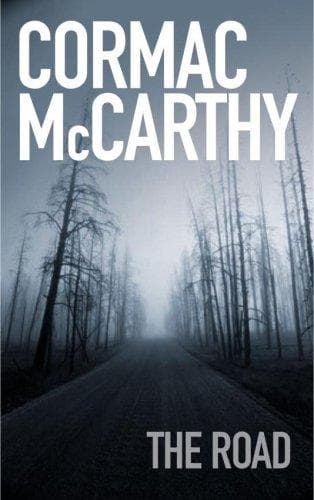
The Road
Cormac McCarthy· 2007
★Pulitzer Prize★Hugo Award
Editorial Score100/100

literary-fiction
Never Let Me Go
Kazuo Ishiguro· 2017
★Nobel Prize in Literature
Editorial Score91/100

science-fiction
The Power
Naomi Alderman· 2016
★Women's Prize for Fiction
Editorial Score90/100
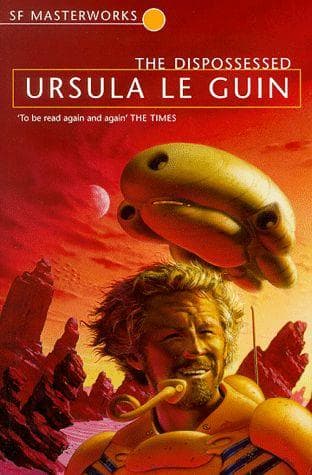
science-fiction
The Dispossessed
Ursula K. Le Guin· 1975
★Hugo Award★Nebula Award
Editorial Score83/100
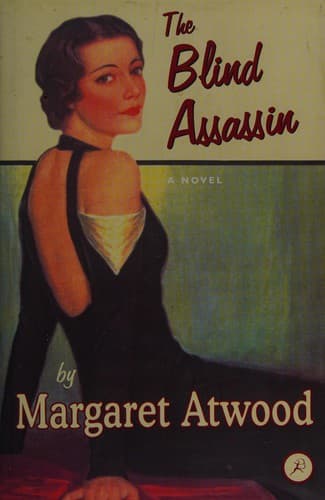
literary-fiction
The Blind Assassin
Margaret Atwood· 2000
★Women's Prize for Fiction
Editorial Score82/100
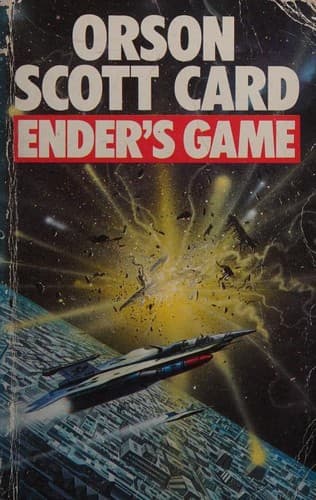
science-fiction
Ender's Game
Orson Scott Card· 1986
★Hugo Award★Nebula Award
Editorial Score82/100
Frequently Asked Questions
Popular on 50 Best Books
Best Science Fiction Books of All TimeScience FictionBooker Prize Winners — Complete List & GuideLiterary PrizesNobel Prize in Literature — Every Winner Since 1901Literary PrizesClassic Literature Reading List — 50 Essential BooksReading GuidesBest Books for Beginners — 20 Easy Reads for New BookloversReading Guides