Best Books from Brazil
Brazil's literary tradition is shaped by the country's extraordinary racial and cultural complexity. Machado de Assis, writing in the 19th century, created one of world literature's most original comic voices from a vantage point of radical skepticism. Jorge Amado popularised Brazilian regionalism internationally, while Clarice Lispector built an inner world of such intensity that she is now recognised as one of the 20th century's great modernist prose writers. Contemporary Brazilian fiction — from Raduan Nassar's mystical regionalism to Patrícia Melo's urban crime novels — continues a tradition of formal ambition rooted in the country's social realities.
Top 10 from Brazil

The Alchemist
Santiago, an Andalusian shepherd boy, travels from Spain to Egypt following a dream of treasure and encounters a cast of guides who teach him the 'Soul of the World.' Coelho's philosophical fable is one of the best-selling novels in history.

The Devil and Miss Prym
The Devil and Miss Prym by Paulo Coelho (2000) is a notable work of mystery thriller from Brazil.
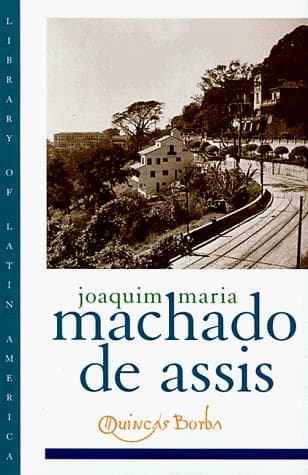
Dom Casmurro
Dom Casmurro is a cornerstone of Brazilian literature, exploring themes of love, jealousy, and betrayal. Written by Machado de Assis, the novel is a complex narrative that delves into the mind of its unreliable narrator, Bentinho, as he recounts his life story and his tumultuous relationship with Capitu. The book is celebrated for its innovative narrative style and psychological depth, making it a seminal work in the canon of world literature.

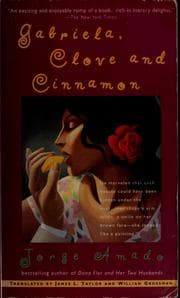
Gabriela, Clove and Cinnamon
Set in the 1920s in the Brazilian town of Ilhéus, 'Gabriela, Clove and Cinnamon' is a vibrant tale of love and social change. Jorge Amado captures the essence of Brazilian culture through the story of Gabriela, an enchanting cook, and her impact on the town's inhabitants. The novel is renowned for its rich portrayal of Brazilian society and its exploration of themes like modernization and tradition.
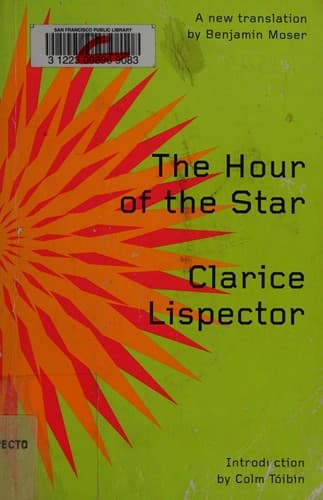
The Hour of the Star
Clarice Lispector's 'The Hour of the Star' is a poignant novella that tells the story of Macabéa, a poor and unremarkable typist living in Rio de Janeiro. Through a meta-narrative style, Lispector explores themes of poverty, identity, and existentialism. The book is celebrated for its introspective depth and innovative narrative techniques, cementing Lispector's status as one of Brazil's most important literary figures.

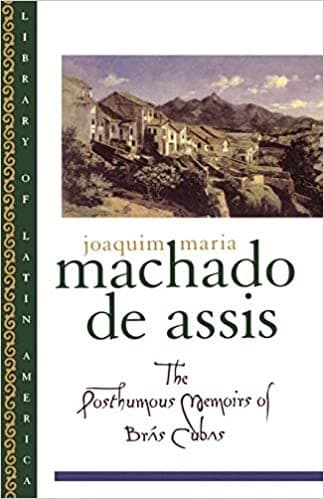
The Posthumous Memoirs of Brás Cubas
This novel is a pioneering work of Brazilian literature, known for its innovative narrative style and satirical tone. Written from beyond the grave, Brás Cubas recounts his life with wit and irony, offering a critique of 19th-century Brazilian society. Machado de Assis's novel is celebrated for its narrative inventiveness and its exploration of themes such as mortality and social hypocrisy.
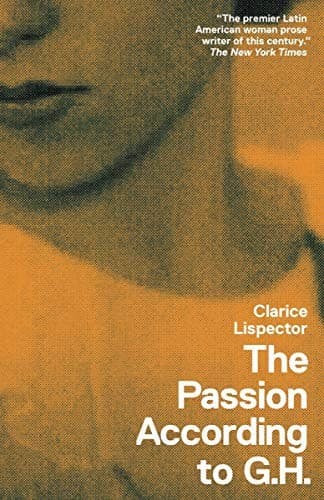
Near to the Wild Heart
Clarice Lispector's debut novel, 'Near to the Wild Heart', is a groundbreaking work that introduced her unique narrative style to the world. The novel follows Joana, a young woman navigating her inner world and existential questions. Known for its stream-of-consciousness technique and philosophical depth, the book is a seminal piece in Brazilian literature, showcasing Lispector's literary prowess and her exploration of the human psyche.
A paixão segundo G.H.
A timeless romance, A paixão segundo G.H. by Clarice Lispector (1964) celebrates the transformative power of love with warmth and authenticity.