Best Books from Czech Republic
The Czech lands produced, in a few extraordinary decades, three of world literature's defining texts: Franz Kafka's hallucinatory bureaucratic nightmares, Jaroslav Hašek's comic masterpiece The Good Soldier Švejk, and Milan Kundera's philosophical novels of erotic and political resistance. This concentration of genius in a small country under repeated historical trauma — Habsburg rule, Nazi occupation, Communist dictatorship — suggests a relationship between literary imagination and political pressure that few other national traditions can match. Contemporary Czech fiction, from Jáchym Topol to Bianca Bellová, continues to work with that legacy with remarkable originality.
Top 10 from Czech Republic

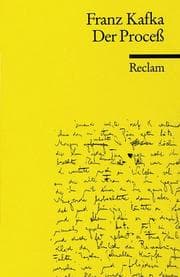
The Trial
Josef K. is arrested one morning without explanation and prosecuted by a mysterious, inaccessible court. Kafka's nightmarish parable—published posthumously—gave the world the adjective 'Kafkaesque' and remains the defining literary expression of bureaucratic absurdity and existential dread. Its influence on literature, law, and culture is immeasurable.
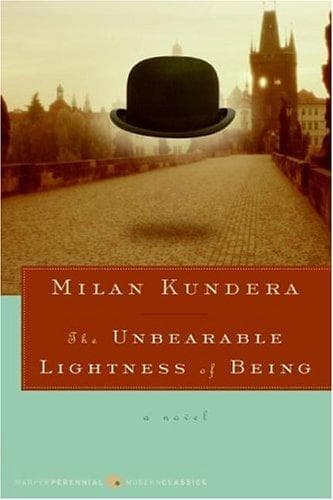
The Unbearable Lightness of Being
Set against the backdrop of the Prague Spring, this novel explores the philosophical concept of eternal return and the dichotomy between lightness and weight. Through the intertwined lives of its characters, Kundera delves into themes of love, politics, and existentialism, making it a significant contribution to 20th-century literature.
Das Schloß
Published in 1926, Das Schloß by Franz Kafka is a landmark work of literary fiction that explores the complexities of human experience with depth and nuance.
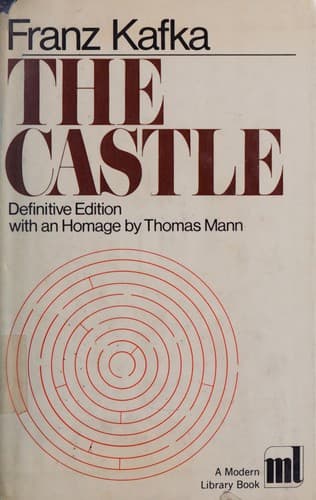
The Castle
K., a land surveyor, arrives in a village and attempts to gain access to the authorities of the mysterious Castle that rules it—an ambition that proves impossible to achieve. Kafka's unfinished final novel is the definitive portrait of institutional alienation.
Metamorphosis
Metamorphosis (1915) establishes Franz Kafka as a significant voice in literary fiction, weaving together themes of identity, memory, and transformation.

Amerika
Amerika (1927) establishes Franz Kafka as a significant voice in literary fiction, weaving together themes of identity, memory, and transformation.
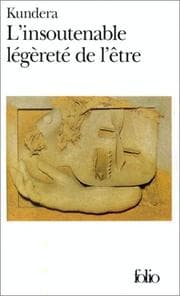
Nesnesitelná lehkost bytí
Nesnesitelná lehkost bytí (1984) establishes Milan Kundera as a significant voice in literary fiction, weaving together themes of identity, memory, and transformation.
Tagebücher
Tagebücher by Franz Kafka (1937) stands as an enduring testament to the power of storytelling, captivating readers for over a century.
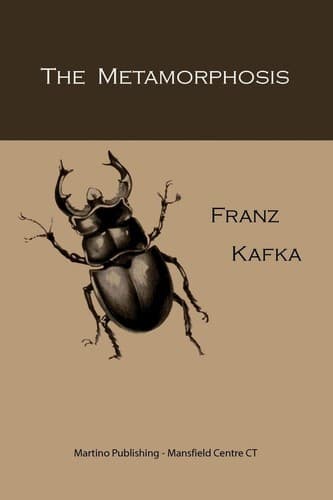
The Metamorphosis
Gregor Samsa wakes one morning to find himself transformed into a gigantic insect. Kafka's most famous story is a profound exploration of family, work, alienation, and the burden of being a provider—told with a matter-of-fact clarity that makes it all the more unsettling.
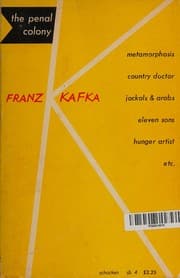
In the Penal Colony
A visitor watches as an officer explains a grotesque execution machine in Kafka's most overtly political story. A meditation on violence, law, and the mystification of power.