Best Books from Estonia
Estonia's contribution to world literature reflects a tradition of serious engagement with language, story, and ideas. From classic texts that have shaped generations of readers to contemporary voices finding new international audiences, the country's literary scene is one of the most productive outside the major European traditions.
Top 10 from Estonia

Truth and Justice
Truth and Justice is a monumental work in Estonian literature, exploring the social and moral transformations in Estonia during the late 19th and early 20th centuries. The novel delves into the lives of rural Estonians, focusing on themes of justice, truth, and the human condition. Its profound philosophical inquiries and detailed portrayal of Estonian life make it a cornerstone of the nation's literary heritage.

The Man Who Spoke Snakish
Set in a mythical version of medieval Estonia, The Man Who Spoke Snakish is a captivating tale of a young boy who can communicate with snakes. The novel blends folklore with a coming-of-age story, exploring themes of tradition, change, and identity. Kivirähk's imaginative narrative and rich storytelling have made this book a modern classic in Estonian literature.
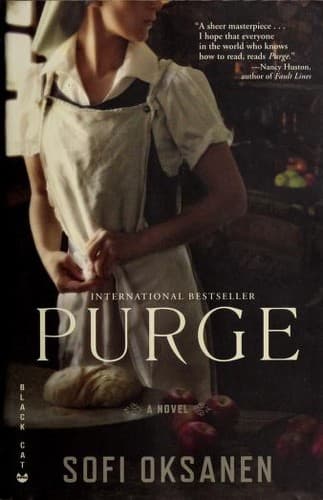
Purge
Purge is a gripping novel that intertwines the lives of two women in post-Soviet Estonia. It explores the dark history of Soviet occupation and its lingering effects on personal and national identity. Oksanen's powerful narrative and complex characters provide a haunting examination of trauma, survival, and redemption, earning her international acclaim.

The Czar's Madman
The Czar's Madman is a historical novel that delves into the life of a 19th-century Estonian nobleman who is imprisoned for his opposition to the Russian czar. Through a blend of fact and fiction, Kross explores themes of freedom, power, and resistance. The novel is celebrated for its intricate narrative and its reflection on Estonian identity and history.

The Beauty of History
The Beauty of History is a reflective novel that captures the essence of Estonia during the turbulent 1960s. Luik's poetic prose and introspective narrative explore the intersection of personal and political histories, examining how individuals navigate the complexities of their time. The novel is a poignant meditation on memory, identity, and the passage of time.