Best Books from Malawi
Malawi's contribution to world literature reflects a tradition of serious engagement with language, story, and ideas. From classic texts that have shaped generations of readers to contemporary voices finding new international audiences, the country's literary scene is one of the most productive outside the major European traditions.
Top 10 from Malawi
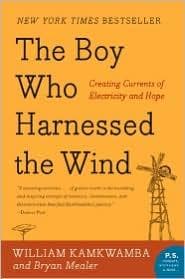
The Boy Who Harnessed the Wind
This memoir tells the inspiring story of William Kamkwamba, a young Malawian boy who, despite facing severe poverty and famine, built a windmill to power his family's home. The book highlights the power of ingenuity and determination, and it has been celebrated for its uplifting narrative and insight into life in rural Malawi.

The Last Fishing Boat
Set against the backdrop of Lake Malawi, this novel explores the challenges faced by traditional fishing communities in the face of modernization and tourism. The story delves into the lives of the fishermen and their families as they navigate cultural changes and economic pressures, offering a poignant reflection on the impact of globalization.

The Road to Lilongwe
This speculative fiction novel imagines a future Malawi where technology and politics intertwine in complex ways. The narrative follows characters who must navigate a rapidly changing world, grappling with issues of power, identity, and the environment. Chikoti's work is noted for its imaginative scope and its engagement with contemporary social issues.

The Diary of an African Child
Felix Mnthali's collection of poems offers a powerful critique of colonialism and its aftermath in Africa. His work is celebrated for its lyrical beauty and its incisive commentary on the social and political issues facing the continent. The poems reflect on themes of identity, resistance, and the enduring impact of history.

No Easy Task
This collection of poems by Jack Mapanje, a prominent Malawian poet, reflects on his experiences of imprisonment and the broader political climate in Malawi. Mapanje's work is known for its bold critique of authoritarianism and its celebration of the human spirit. His poetry combines personal narrative with broader social commentary, making it a significant contribution to African literature.