Best Books from Mongolia
Mongolia's literary tradition has produced books of international significance spanning fiction, poetry, and non-fiction. The country's writers have engaged with its history, geography, and social realities in ways that have found readers far beyond its borders, and its place in world literature is secure.
Top 10 from Mongolia
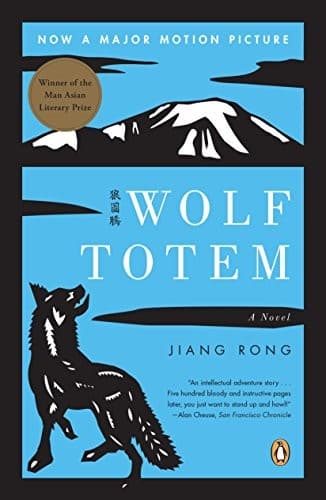
Wolf Totem
Although written by a Chinese author, this novel is significant for its portrayal of Mongolian culture and the relationship between humans and nature. Set during the Cultural Revolution, it follows a young Chinese student sent to Inner Mongolia, where he learns from the nomads and develops a deep respect for the wolves that roam the plains. The book is a meditation on the balance between civilization and the wild.
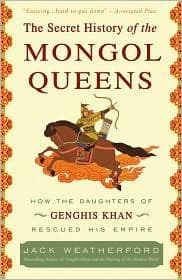
The Secret History of the Mongol Queens
This book explores the untold stories of the women who ruled the Mongol Empire, shedding light on their significant yet often overlooked contributions. Weatherford delves into the lives of these powerful queens, revealing their influence on politics, culture, and the expansion of the empire. The book is a significant contribution to understanding Mongolian history and the role of women in shaping it.

The Blue Sky
This autobiographical novel by Galsan Tschinag, a Tuvan Mongolian author, offers a vivid portrayal of nomadic life in the Altai Mountains. Through the eyes of a young boy, the book captures the beauty and challenges of traditional Mongolian culture, as well as the impact of modernity. It is a poignant exploration of identity, belonging, and the connection to one's homeland.

The Story of the Weeping Camel
Originally a documentary film, this story was adapted into a book that captures the unique cultural practices of Mongolian nomads. It tells the tale of a family dealing with the birth of a rare white camel calf and the subsequent challenges they face. The book highlights the deep connection between humans and animals, and the traditional rituals that bind them.

The Green Eyed Lama
Set in the 1930s during the Stalinist purges, this novel provides a gripping account of the impact of political repression on a Mongolian family. Through the eyes of multiple generations, it explores themes of faith, resilience, and the struggle for survival under a totalitarian regime. The book offers a poignant reflection on Mongolia's turbulent history and the enduring spirit of its people.