Best Books from Peru
Peru's literary tradition has produced books of international significance spanning fiction, poetry, and non-fiction. The country's writers have engaged with its history, geography, and social realities in ways that have found readers far beyond its borders, and its place in world literature is secure.
Top 10 from Peru
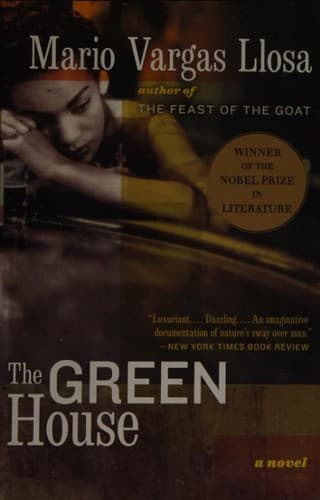
The Green House
This novel is a complex narrative that intertwines multiple storylines centered around a brothel known as 'The Green House' in a small Peruvian town. Vargas Llosa explores themes of desire, corruption, and the impact of modernization on traditional societies. The book is noted for its intricate structure and rich character development, establishing Vargas Llosa as a master of narrative form.
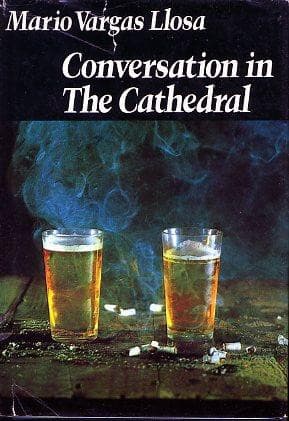
Conversation in the Cathedral
Over several beers in a Lima bar, two men reconstruct the corrupt, compromised lives lived under the Odría dictatorship in Peru. Vargas Llosa's towering novel is structurally among the most ambitious in Latin American fiction.
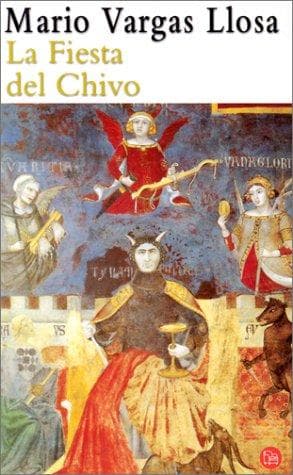
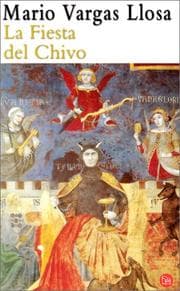
The Feast of the Goat
Three narratives—the assassination of Dominican dictator Rafael Trujillo in 1961, the tyrant himself in his last days, and the return of a Trujillo victim's daughter forty years later—interweave in Vargas Llosa's finest novel. A masterpiece of political fiction.
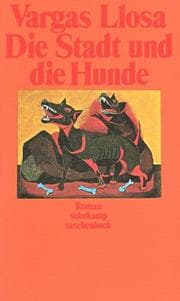
The Time of the Hero
Cadets at a Lima military academy—based on Vargas Llosa's own experience—form a circle for sharing exam answers, leading to theft, betrayal, and murder. The debut that announced a major new voice.
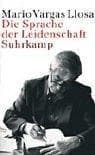
El lenguaje de la pasión
El lenguaje de la pasión by Mario Vargas Llosa (2001) is a notable work of short stories from Peru.

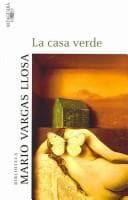
La casa verde
La casa verde (1966) establishes Mario Vargas Llosa as a significant voice in literary fiction, weaving together themes of identity, memory, and transformation.
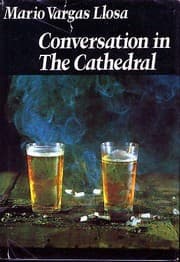
Conversación en La Catedral
Published in 1969, Conversación en La Catedral by Mario Vargas Llosa is a landmark work of literary fiction that explores the complexities of human experience with depth and nuance.
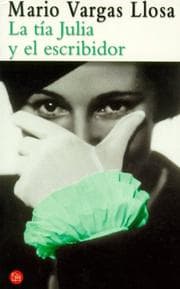
La tía Julia y el escribidor
La tía Julia y el escribidor (1977) establishes Mario Vargas Llosa as a significant voice in literary fiction, weaving together themes of identity, memory, and transformation.

Death in the Andes
Set in the remote Andes, this novel explores the mysterious disappearances of three men in a small village. Through the eyes of two civil guards, Vargas Llosa delves into the complexities of Peruvian society, weaving a tale that combines elements of mystery, folklore, and political commentary. The book is a profound exploration of the clash between modernity and tradition, and the lingering effects of violence and terror.