Best Books from Portugal
Portugal's contribution to world literature reflects a tradition of serious engagement with language, story, and ideas. From classic texts that have shaped generations of readers to contemporary voices finding new international audiences, the country's literary scene is one of the most productive outside the major European traditions.
Top 10 from Portugal
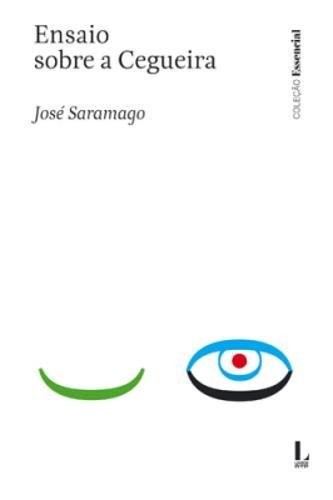
Blindness
An epidemic of white blindness sweeps through an unnamed city; those afflicted are quarantined while society collapses around them. Saramago's allegorical masterpiece, narrated in long, unpunctuated sentences, is a harrowing study of human behaviour when civilisation strips away. The Portuguese Nobel laureate uses the blindness as a lens on politics, community, and moral responsibility.
Mensagem
Mensagem by Fernando Pessoa (1934) is a notable work of poetry from Portugal.
O caderno
O caderno by José Saramago (2009) is a notable work of biography memoir from Portugal.

The Book of Disquiet
The Book of Disquiet is a posthumously published work by Fernando Pessoa, one of Portugal's most celebrated writers. The book is a collection of fragments, thoughts, and reflections attributed to Pessoa's semi-heteronym, Bernardo Soares. It explores themes of existential angst, solitude, and the search for meaning in a fragmented world. The work is considered a masterpiece of modernist literature and offers profound insights into the human condition.
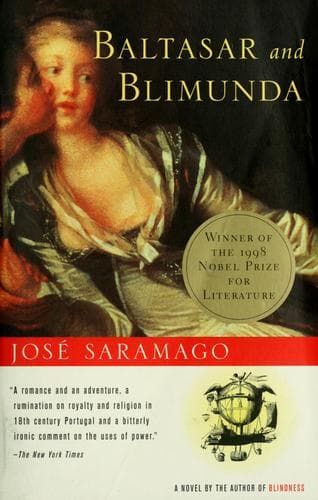
Baltasar and Blimunda
Baltasar and Blimunda is a novel by Nobel laureate José Saramago, set in 18th-century Portugal. The story follows the love affair between Baltasar, a soldier who lost his hand in battle, and Blimunda, a woman with mystical powers. Their lives intertwine with the construction of a flying machine and the building of the Mafra Convent, offering a rich tapestry of historical and magical elements. The novel is acclaimed for its lyrical prose and exploration of themes like love, power, and freedom.


The Maias
The Maias is a classic novel by Eça de Queirós, often regarded as one of the greatest Portuguese novels. It chronicles the lives of the Maia family, exploring themes of love, betrayal, and social change in 19th-century Lisbon. The novel is noted for its detailed depiction of Portuguese society and its critique of the country's aristocracy. Eça de Queirós's masterful storytelling and keen social observations have made this work a cornerstone of Portuguese literature.

The Lusiads
The Lusiads is an epic poem by Luís de Camões, celebrating the Portuguese Age of Discovery and the voyages of explorer Vasco da Gama. Written in the style of classical epics, it combines history, mythology, and adventure to glorify Portugal's maritime achievements. The poem is a seminal work in Portuguese literature and has been praised for its rich language and imaginative scope. It remains a symbol of national pride and a testament to Camões's literary genius.

The Crime of Father Amaro
The Crime of Father Amaro is a novel by Eça de Queirós that critiques the hypocrisy and corruption within the Catholic Church. It tells the story of Father Amaro, a young priest who becomes romantically involved with a parishioner, leading to scandal and tragedy. The novel is a pioneering work of realism in Portuguese literature and is noted for its incisive social commentary and exploration of moral dilemmas.