Best Books from Romania
Romania's contribution to world literature reflects a tradition of serious engagement with language, story, and ideas. From classic texts that have shaped generations of readers to contemporary voices finding new international audiences, the country's literary scene is one of the most productive outside the major European traditions.
Top 10 from Romania
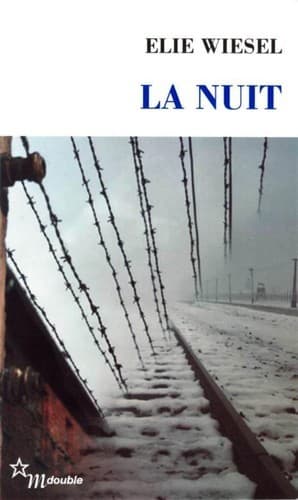
Night
Wiesel's autobiographical account of his experiences in the Nazi death camps at Auschwitz and Buchenwald—where he was taken at age fifteen with his family—is one of the most powerful and important Holocaust memoirs ever written. Wiesel was awarded the Nobel Peace Prize in 1986.
The Hatchet
Mihail Sadoveanu's 'The Hatchet' is a cornerstone of Romanian literature, exploring themes of justice, revenge, and morality. Set in the Moldavian region, the novel delves into the life of a peasant who seeks vengeance for the murder of his brother. Sadoveanu's rich narrative and deep exploration of rural life and human nature have made this work a classic, reflecting the social and cultural dynamics of early 20th-century Romania.

The Forest of the Hanged
Liviu Rebreanu's 'The Forest of the Hanged' is a profound exploration of the moral dilemmas faced by individuals during World War I. The novel follows the story of a Romanian officer in the Austro-Hungarian army who is torn between his duty and his conscience. Rebreanu's work is celebrated for its psychological depth and its poignant depiction of the human cost of war, making it a significant contribution to Romanian and world literature.
The Lucky Mill
Ioan Slavici's 'The Lucky Mill' is a collection of short stories that captures the essence of Romanian rural life in the late 19th century. Through vivid storytelling and a keen eye for detail, Slavici explores themes of fate, fortune, and human nature. His work is considered a classic in Romanian literature, offering readers a glimpse into the cultural and social fabric of the time.

The Glass Cathedral
Vasile Voiculescu's 'The Glass Cathedral' is a collection of philosophical short stories that delve into the complexities of human existence and spirituality. Voiculescu's masterful use of symbolism and allegory invites readers to reflect on the nature of faith, truth, and the human condition. This collection is a testament to Voiculescu's literary prowess and his ability to weave profound philosophical insights into engaging narratives.


The Moromete Family
Marin Preda's 'The Moromete Family' is a seminal work in Romanian literature, offering a detailed portrayal of rural life in the interwar period. The novel focuses on the Moromete family, capturing the struggles and resilience of peasants in the face of social and economic changes. Preda's nuanced character development and vivid depiction of village life make this novel a classic, reflecting the broader historical and cultural shifts in Romania.