
Best Books from Zimbabwe
Zimbabwe's literary tradition has produced books of international significance spanning fiction, poetry, and non-fiction. The country's writers have engaged with its history, geography, and social realities in ways that have found readers far beyond its borders, and its place in world literature is secure.
Top 10 from Zimbabwe

An Elegy for Easterly
An Elegy for Easterly is a collection of short stories that offers a vivid portrayal of life in Zimbabwe. Gappah's stories capture the humor, resilience, and struggles of ordinary people against the backdrop of political and economic turmoil. The collection is celebrated for its sharp wit, empathetic storytelling, and its insightful depiction of Zimbabwean society.
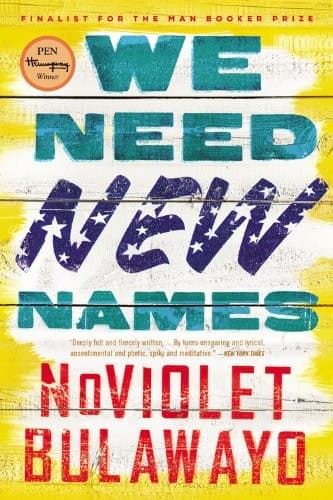
We Need New Names
We Need New Names is a poignant narrative about Darling, a young girl growing up in Zimbabwe and later moving to the United States. The novel vividly captures the immigrant experience, the challenges of assimilation, and the longing for home. Bulawayo's debut novel was praised for its vibrant prose and its insightful exploration of displacement and identity.
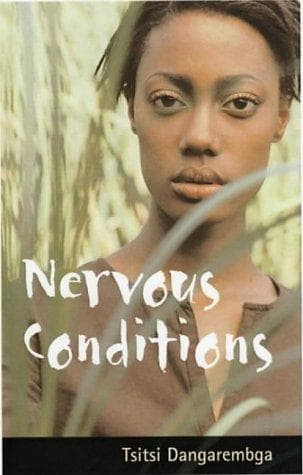
Nervous Conditions
Nervous Conditions is a seminal work in African literature, exploring the themes of colonialism, gender, and identity. Set in post-colonial Zimbabwe, it follows the story of Tambu, a young girl striving for education and personal freedom in a patriarchal society. The novel is acclaimed for its powerful narrative and insightful portrayal of the struggles faced by women in a changing world.
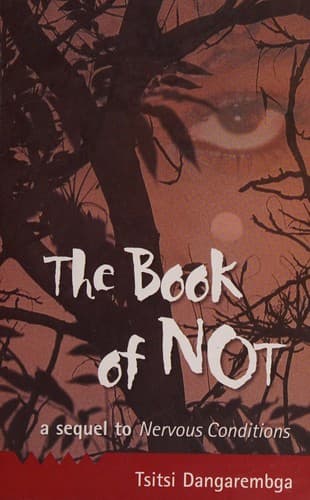
The Book of Not
The Book of Not continues the story of Tambu from Nervous Conditions, delving deeper into her experiences as she navigates the challenges of adulthood in a newly independent Zimbabwe. The novel addresses themes of personal and national identity, the lingering effects of colonialism, and the complexities of family and societal expectations.

House of Stone
House of Stone is a gripping exploration of Zimbabwe's turbulent history through the eyes of a young boy named Zamani. The novel delves into the country's past, from the liberation struggle to the post-independence era, weaving personal and political narratives. Tshuma's debut novel is lauded for its intricate storytelling and its unflinching examination of memory, history, and identity.